Trieste Food Tour
Planning Guide

Trieste Food Walking Tour

A trieste food walking guide reveals a city where Mediterranean flavors intersect with Austro-Hungarian heritage. Exploring these streets on foot provides the most authentic context for the region's diverse gastronomy.

11 min read Updated 2026-08-24 Fact-checked
Trieste Food Walking Tour

Quick answer

The ideal window for a trieste food walking tour is between 10:00 and 18:00, allowing visitors to experience both morning espresso rituals and afternoon tasting stops. While the city center is fully accessible without an entrance fee, structured culinary walks focus on historic districts like Borgo Teresiano and Cavana, connecting local vendors and traditional eateries.

Trieste spent centuries as the primary seaport of the vast Habsburg Empire, transforming its streets into a bustling intersection of Mediterranean, Slavic, and Germanic cultures. Setting out on a trieste food walking tour immediately immerses visitors in this distinct architectural and culinary legacy. The layout of the city center tells the story of its past, transitioning from narrow medieval alleyways to grand neoclassical boulevards built to accommodate imperial commerce. Exploring these contrasting zones on foot allows for an intimate understanding of how local gastronomy evolved alongside the shifting borders of northeastern Italy. The physical act of moving through districts like Borgo Teresiano reveals how salt-laden sea air blowing off the Adriatic interacts with the aromas of roasted coffee beans and simmering stews that drift from open doorways. Navigating southward from the monumental expanse of Piazza della Borsa, the grid of wide avenues gives way to the atmospheric Cavana district. This historically working-class maritime neighborhood requires sturdy walking shoes, as pedestrians navigate a maze of cobblestone streets and pedestrian-only lanes. It is here that walking routes typically dive into the city's unique dining institutions known as buffets. Originally designed to serve hearty, fast meals to dockworkers and merchants during the Austro-Hungarian era, these establishments remain the cultural backbone of the local diet. Moving from stop to stop requires only short bursts of walking, making it easy to sample a rich bowl of jota—a fermented turnip and bean soup—before crossing a narrow alley to taste freshly carved prosciutto cotto in crosta served with grated horseradish. Experiencing these heavy, flavorful dishes in rapid succession underscores why traversing the city under one's own power is the most practical way to digest the local cuisine. The pedestrian experience also intersects deeply with the city's legendary coffee heritage. As the primary Mediterranean port for green coffee imports since the eighteenth century, the city cultivated a café culture that blends Viennese elegance with fast-paced Italian habits. A comprehensive walking itinerary involves stepping out of the bright coastal sunlight and into wood-paneled historic coffeehouses. True neighborhood immersion means standing shoulder-to-shoulder with locals at long zinc or mahogany counters, ordering a "capo in b"—a mini cappuccino served in a small glass—rather than sitting at an expensive patio table. The physical rhythm of the streets dictates a pattern of steady walking punctuated by brief, highly caffeinated stops that propel pedestrians onward toward the next neighborhood. Continuing the journey often involves tackling the steep, winding ascents that lead away from the flat coastal shelf and up toward the historic San Giusto hill. While the climb demands physical exertion, it rewards pedestrians with sweeping views over the Gulf of Trieste and offers access to quieter, residential enclaves where authentic culinary traditions thrive away from major waterfront crowds. The notorious Bora wind, which frequently sweeps down from the Karst Plateau, can add a bracing element to any outdoor excursion, making ducking into a warm bakery or neighborhood wine bar a welcome necessity. Ultimately, undertaking a trieste food walking tour forces visitors to slow their pace, engage directly with independent vendors, and physically trace the complex, multi-layered history that defines this frontier city.

“The physical rhythm of the streets dictates a pattern of steady walking punctuated by brief, highly caffeinated stops that propel pedestrians onward toward the next neighborhood.”
Timing

Optimal Timing for a Trieste Food Walking Tour

The best arrival window is 10:00–18:00, which ensures full access to historic cafes, bustling food markets, and the vibrant atmosphere of the city center. This timeframe aligns with the peak activity of local merchants and the daily rhythm of Trieste's culinary scene.

Spring (April-May)

Moderate crowds

Mild, 15°C–20°C

Ideal temperatures for walking between neighborhood eateries and outdoor markets.

Autumn (September-October)

Moderate crowds

Cool, 14°C–19°C

Stable conditions perfect for long walks and sampling seasonal ingredients.

Weekday mornings

Light crowds

Quiet streets allow for more personal interaction with shop owners and baristas.

Summer (June-August)

High crowds

Warm, 22°C–28°C

Expect busier pedestrian zones and a lively, festive atmosphere throughout the center.

Verdict: The optimal experience occurs during weekday mornings in April or October, providing a balance of manageable crowds and mild weather for exploring the city's food culture.

Opening hours

Daily Operating Hours for Trieste Food Walking Tour Experiences

Trieste food walking tours operate daily throughout the week to accommodate your schedule. These services are available at any time to facilitate your exploration of local neighborhoods.

Monday
00:00–23:59
Tuesday
00:00–23:59
Wednesday
00:00–23:59
Thursday
00:00–23:59
Friday
00:00–23:59
Saturday
00:00–23:59
Sunday
00:00–23:59
As these are walking tours, specific start times are coordinated directly with your chosen tour operator.
Itinerary

Planning Your Trieste Food Walking Tour Route

This chronological walking route suits visitors looking to experience Trieste's culinary heritage on foot, spanning about three hours. It guides you from central historic coffee houses through the pedestrian-friendly streets of the Cavana district.

10:00

Historic Coffee House

Begin your walking route at a Habsburg-era coffee house near Piazza Unità d'Italia. Spend 30 minutes learning about local roasting culture while trying a capo in b, a traditional mini cappuccino served in a glass.

10:45

Cavana Neighborhood Bakeries

Walk through the narrow, pedestrian-friendly streets of the Cavana district. Stop at a neighborhood bakery to try traditional savory pastries reflecting Austrian and Slavic culinary influences.

11:30

Traditional Trieste Buffet

Navigate to a historic buffet establishment, traditionally frequented by port workers. Stand at the busy counter to eat boiled pork cuts known as caldaia, served with freshly grated horseradish.

12:15

Regional Market Tastings

Proceed toward the Mercato Coperto area to observe local vendors and residents. Taste regional cheeses from the surrounding Carso plateau alongside locally cured meats.

13:00

Canal Grande Sweets

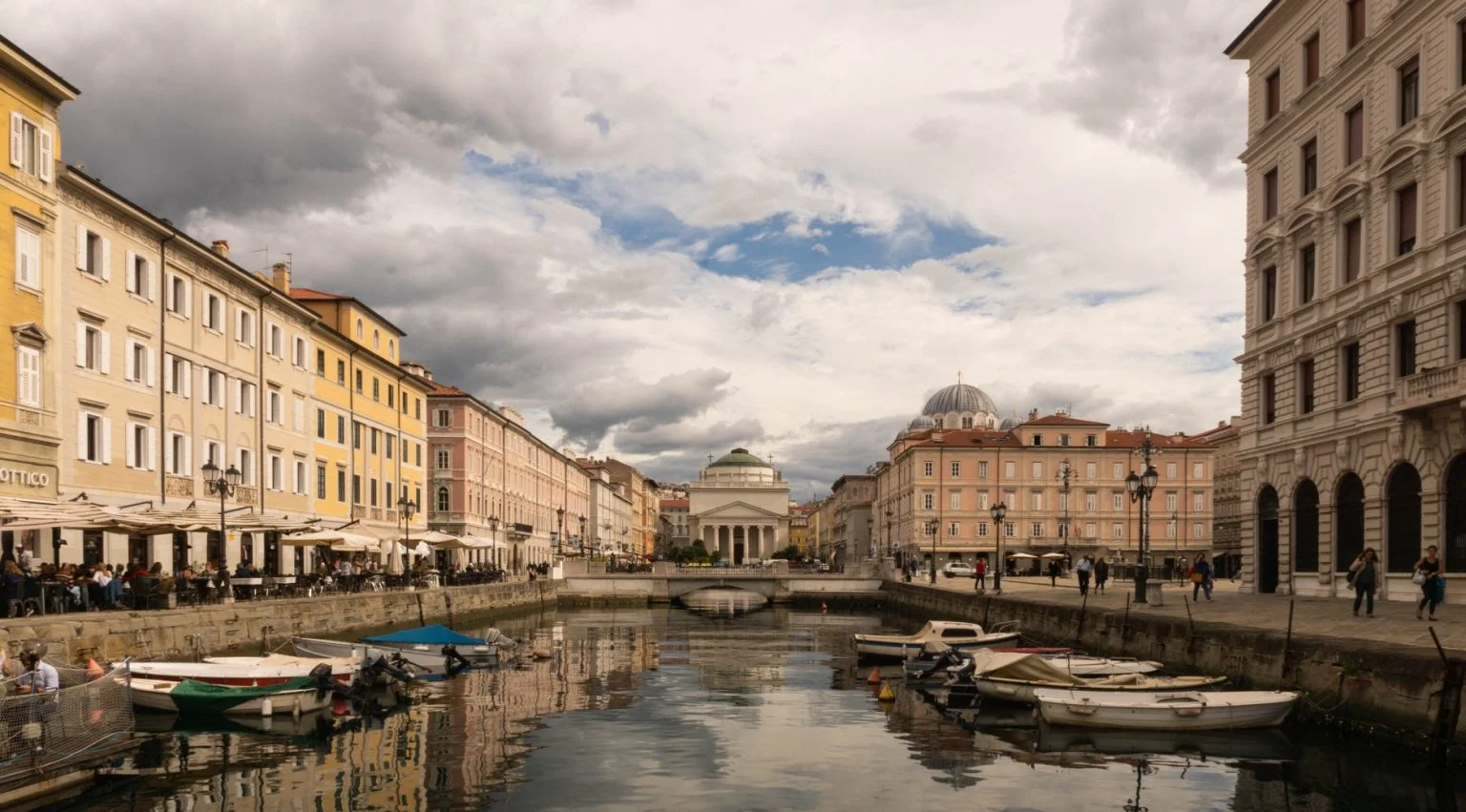
Conclude the walking route near the Canal Grande. Finish the experience with a slice of presnitz, a local dried fruit and nut pastry, at a nearby historic patisserie.

Directions

Navigating to Your Trieste Food Walking Tour

Trieste City Center is the primary meeting point for all food walking tours, offering easy accessibility via the city's central transit network. The most convenient approach is to arrive by train or bus at stations located within walking distance of the historic core.

Train 15 min walk

Trieste Centrale station to City Center

Bus 5 min walk

Lines 8, 17, or 30 to Piazza Oberdan

Taxi 5–10 min Varies

Direct to Trieste City Center

Walking remains the most effective way to navigate the narrow, historic streets of the city center. We recommend arriving at your designated meeting point 10 minutes prior to your tour to ensure a punctual start.

What to see

Key Zones on a Trieste Food Walking Tour

Trieste food walking tours navigate the distinct architectural and cultural zones that define the city’s culinary identity. These walks prioritize immersion in historic neighborhoods where maritime traditions blend with Central European influences.

Borgo Teresiano

Borgo Teresiano

This grid-patterned district features neoclassical architecture and serves as the hub for historic coffee houses and pastry shops. Wander through the wide boulevards to observe the influence of 18th-century urban planning.

Look up at the facades to spot Austro-Hungarian architectural details.
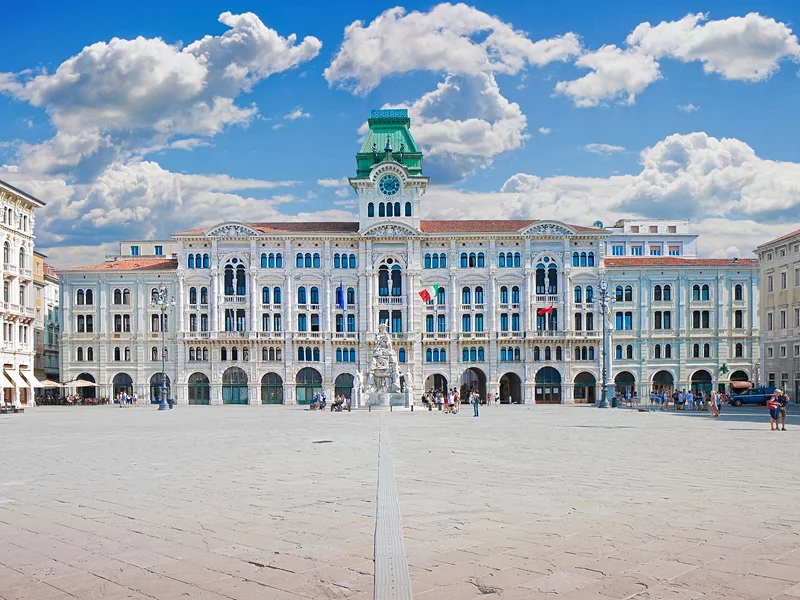
Piazza Unità d'Italia

Piazza Unità d'Italia

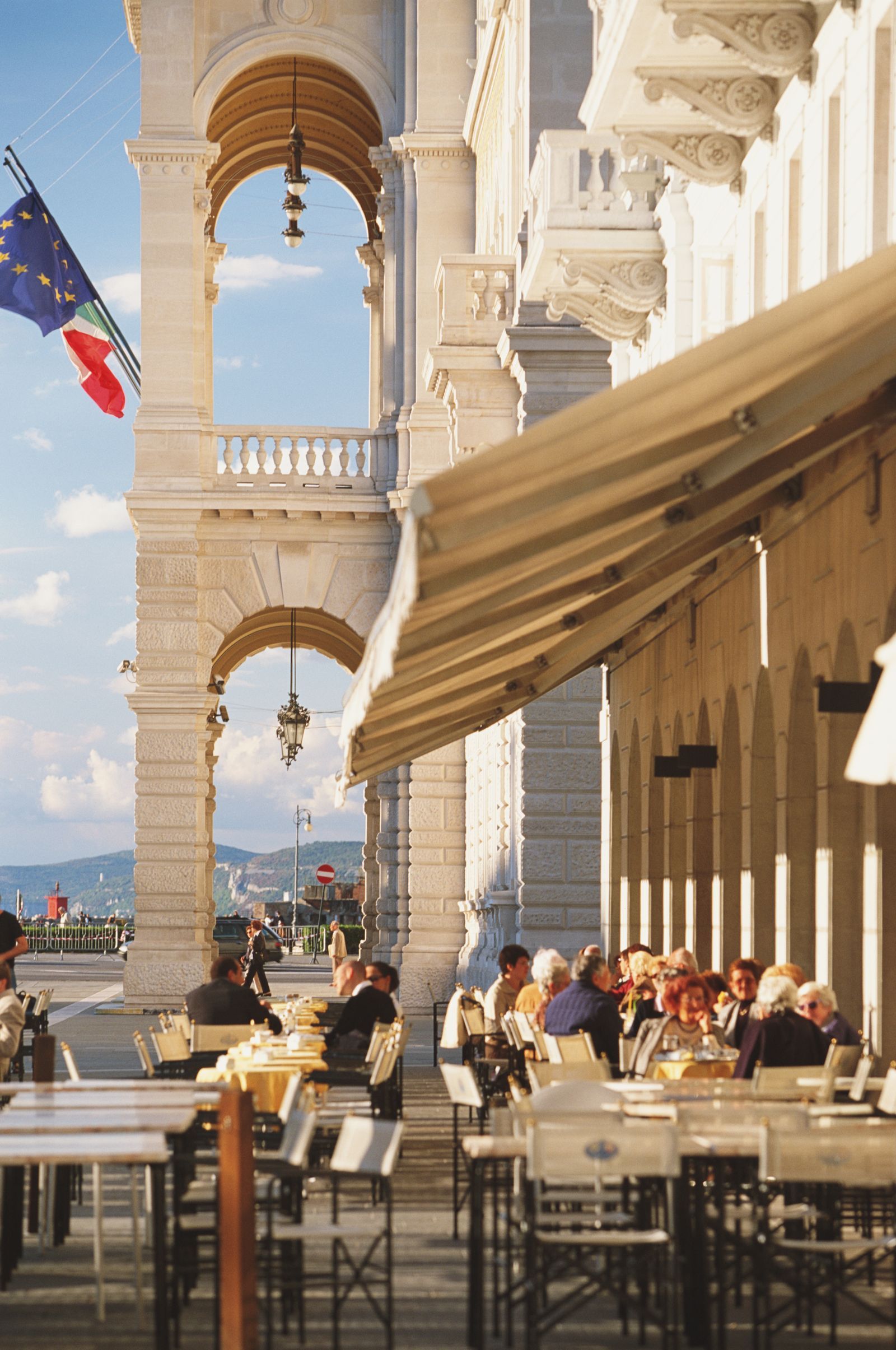
The expansive waterfront square is surrounded by grand municipal buildings and serves as the transition point between the sea and the city's food markets. It offers a clear view of the integration between maritime commerce and local gastronomy.

Walk toward the Molo Audace pier for an unobstructed city panorama.

Città Vecchia

Città Vecchia

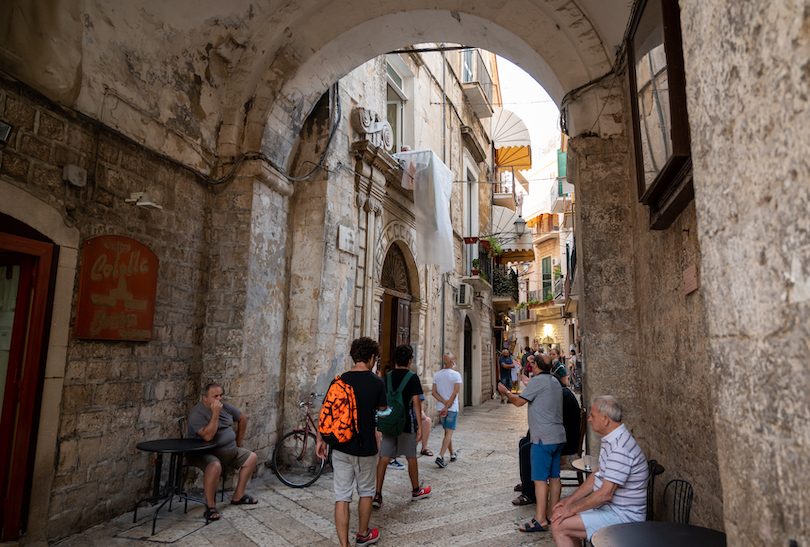
The narrow, winding streets of the old town contrast with the geometric layout of the newer districts, housing traditional trattorias and hidden wine bars. This area allows for direct observation of the city's medieval and Roman roots.

Duck into side alleys to find authentic local dining spots.

Mercato Coperto

Mercato Coperto

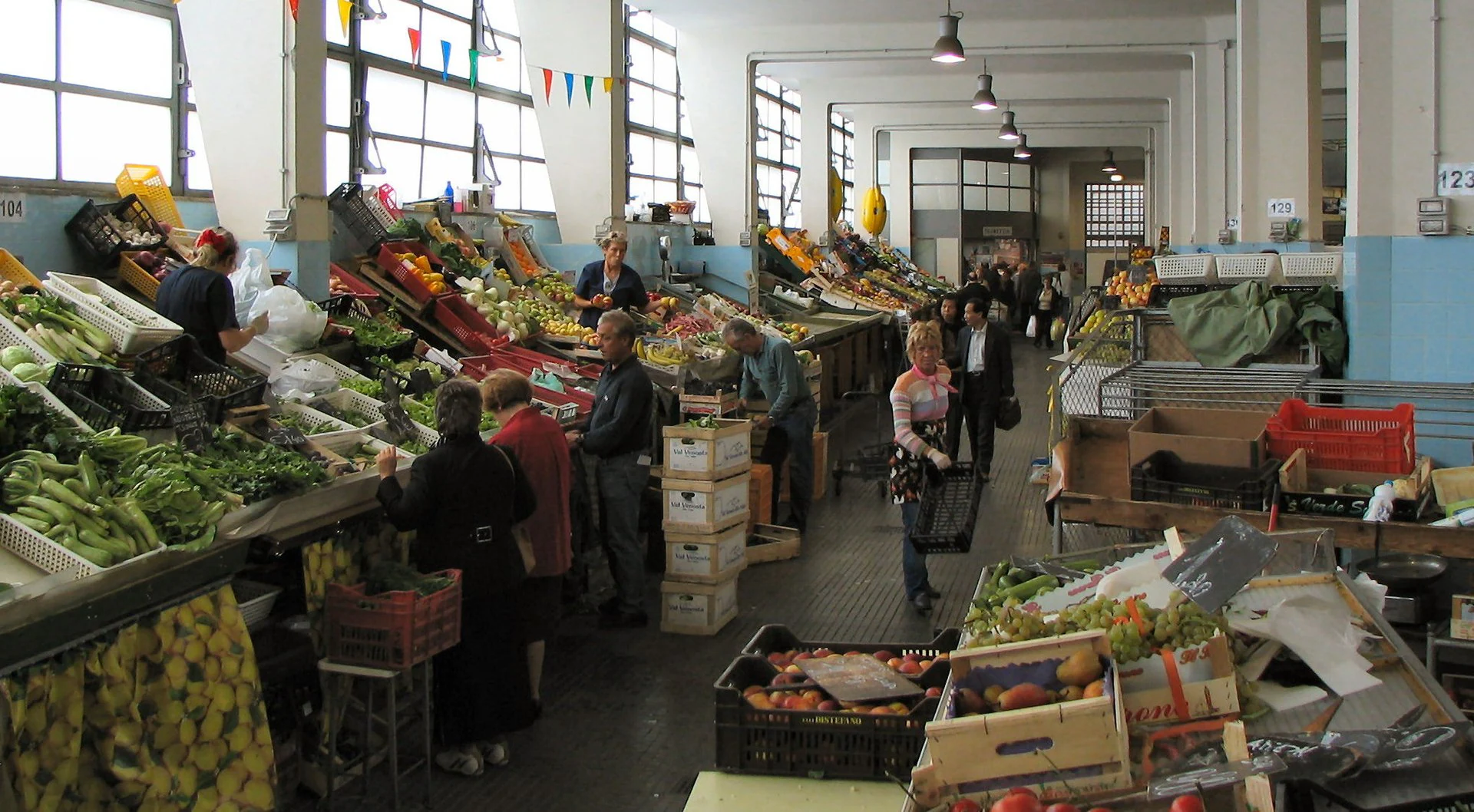
This central indoor market is the functional heart of the local food scene, displaying regional produce, cheeses, and seafood. It provides a look into the daily shopping habits of residents.

Visit the upper balcony for a comprehensive view of the market.

Insider tips

Insider Tips for Your Trieste Food Walking Tour

Navigating Trieste like a local requires attention to footwear, cafe traditions, and respectful engagement with vendors.

1

Wear supportive walking shoes

Trieste features uneven limestone paving and steep inclines near the San Giusto hill, making flat, cushioned footwear essential for comfort.

2

Order espresso at the counter

In traditional historic cafes, locals consume coffee while standing at the bar to avoid table service surcharges and to experience the quick pace of Triestine life.

3

Embrace the osmiza tradition

When exploring the outskirts or visiting local vendors, ask about seasonal produce; these informal sales points offer direct access to cured meats and local wines.

4

Mind the mid-afternoon pause

While the city remains active, some smaller food artisans may briefly pause service after the lunch rush, so plan your tastings within the recommended arrival window.

5

Engage vendors with respect

Triestine food culture values a polite greeting such as 'buongiorno' before inquiring about local specialties like jota or prosciutto cotto in crosta.

6

Navigate markets with small change

When purchasing small artisanal snacks or delicacies at local markets, carrying euro coins facilitates transactions and is appreciated by vendors during busy periods.

Book

Check availability

Frequently asked

Frequently asked questions about Trieste food walking tours

Everything you need to know about trieste food walking tour

What should I expect during a trieste food walking tour?

A typical experience focuses on local neighborhood immersion, taking you through historic streets to visit traditional cafes and markets. You will sample regional specialties while learning about the cross-cultural culinary heritage that defines this port city. These tours emphasize the physical experience of exploring local districts on foot.

Is a trieste food walking tour suitable for families with children?

Most tour operators welcome families, as the pace is generally relaxed and engaging for various ages. Since the activity involves navigating city landmarks and artisanal shops, it is helpful to verify the specific requirements of your chosen provider regarding strollers or dietary needs. The informal nature of these walks makes them a pleasant way to introduce younger travelers to local flavors.

What is the best time to book a culinary excursion in Trieste?

The best arrival window is between 10:00 and 18:00, which aligns perfectly with the operating hours of historic cafes and bustling markets. Visiting during these hours ensures that you can experience the authentic atmosphere of the local food scene at its most active. Scheduling your outing within this timeframe allows for the most comprehensive exploration of the city's gastronomic landscape.

Do I need to pay an entrance fee for a trieste food walking tour?

There is no standardized entrance fee for these services, as they are operated by independent providers. The cost of your experience depends entirely on the specific tour operator you choose to book with for your day out. Always check your preferred provider's website to understand what is included in their service.

How much walking is involved in a typical city gastronomy tour?

While the exact duration and distance vary by provider, these experiences involve moving between several locations in the city center. You will spend a significant portion of your time wandering through streets and stepping into venues, so comfortable footwear is recommended for your city exploration. The primary goal is to enjoy the local surroundings at a leisurely pace.

Can I join a trieste food walking tour during the weekend?

Yes, these tours are available throughout the week, including Saturdays and Sundays. Since service providers typically operate within the standard daily timeframe, you can plan your visit to suit your schedule. Whether you prefer a weekday excursion or a weekend stroll, the city's food culture remains accessible.

Keep reading

More guides & pages