Quick answer
Is Trieste worth visiting? Yes, the city is highly rewarding for travelers seeking a quieter alternative to classic Italian destinations. It offers profound coffee culture, grand Austro-Hungarian architecture, and a distinct lack of mass tourism. While it lacks the sheer density of Renaissance art found in central Italy, its hybrid border-town atmosphere provides a sophisticated European experience.
Italy’s easternmost port operates on a different frequency than the rest of the peninsula, frequently prompting travelers mapping out their routes to wonder, is trieste worth visiting during a standard Italian vacation. Situated on a narrow strip of land between the Adriatic Sea and the Slovenian border, the capital of the Friuli-Venezia Giulia region feels geographically and culturally distinct from the classic tourist circuit. Visitors arriving here do not find the typical rolling hills of Tuscany or the chaotic energy of Naples. Instead, they encounter a city shaped by its centuries as the principal maritime outlet of the Austro-Hungarian Empire. This Mitteleuropa heritage creates a hybrid atmosphere where Mediterranean light meets Central European grandeur. For travelers who have already seen Rome and Venice, this departure from the norm is exactly what makes the detour highly rewarding. The city appeals most strongly to those who prefer atmospheric immersion over checking off long lists of world-famous monuments.
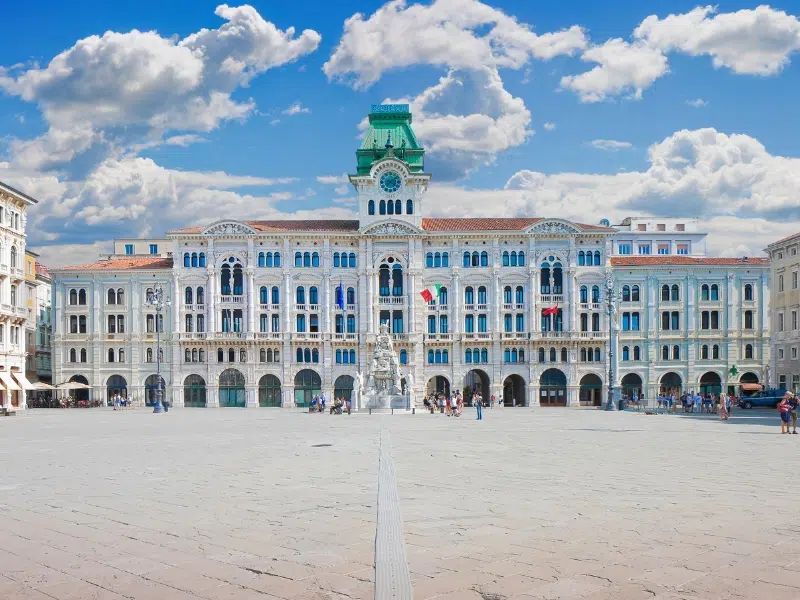
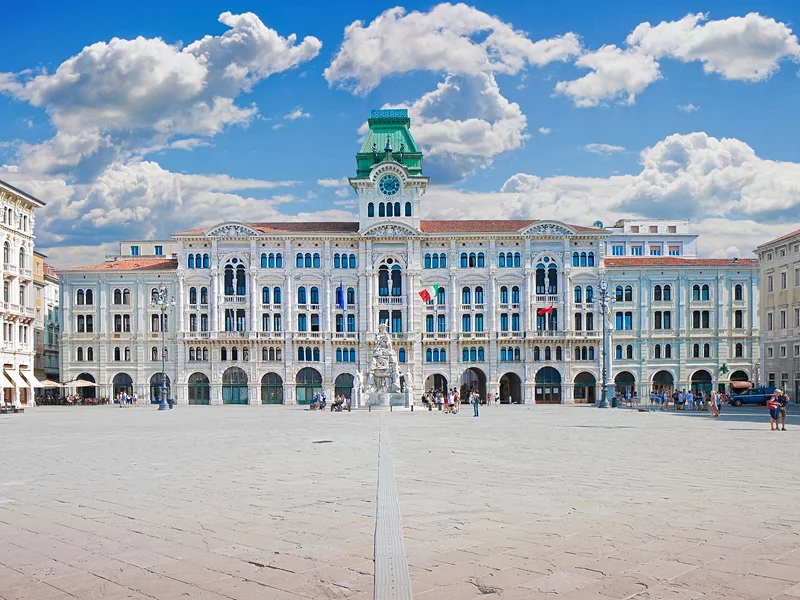
Any comprehensive is trieste worth visiting guide highlights the city's status as a premier destination for culinary travelers and seekers of slow, deliberate cultural immersion. Rather than rushing between crowded galleries, visitors here spend their time absorbing the profound local coffee culture that dominates daily life. Historic literary cafes, where figures like James Joyce once worked, serve as public living rooms rather than mere tourist attractions. The culinary traveler finds a landscape defined not just by Mediterranean seafood, but by a heavy Austrian and Slavic influence, resulting in hearty broths, complex pastries, and a distinct lack of generic tourist menus. Evaluating the best reasons to travel to Trieste often comes down to this deep-rooted appreciation for quality over speed. The pace encourages sitting at a cafe along the Grand Canal or facing the sea in the vast main square, simply observing the maritime traffic, making it an ideal environment for those who travel to eat and linger.
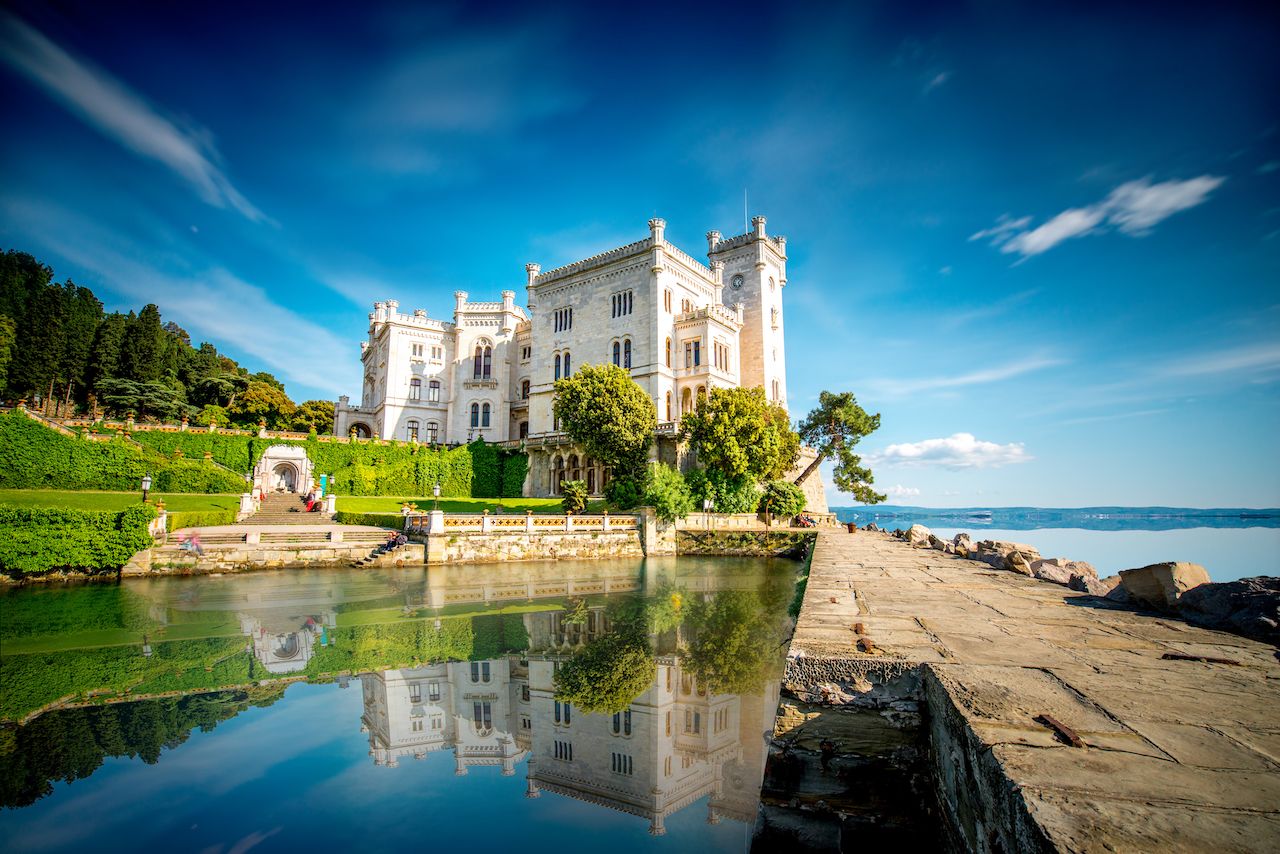
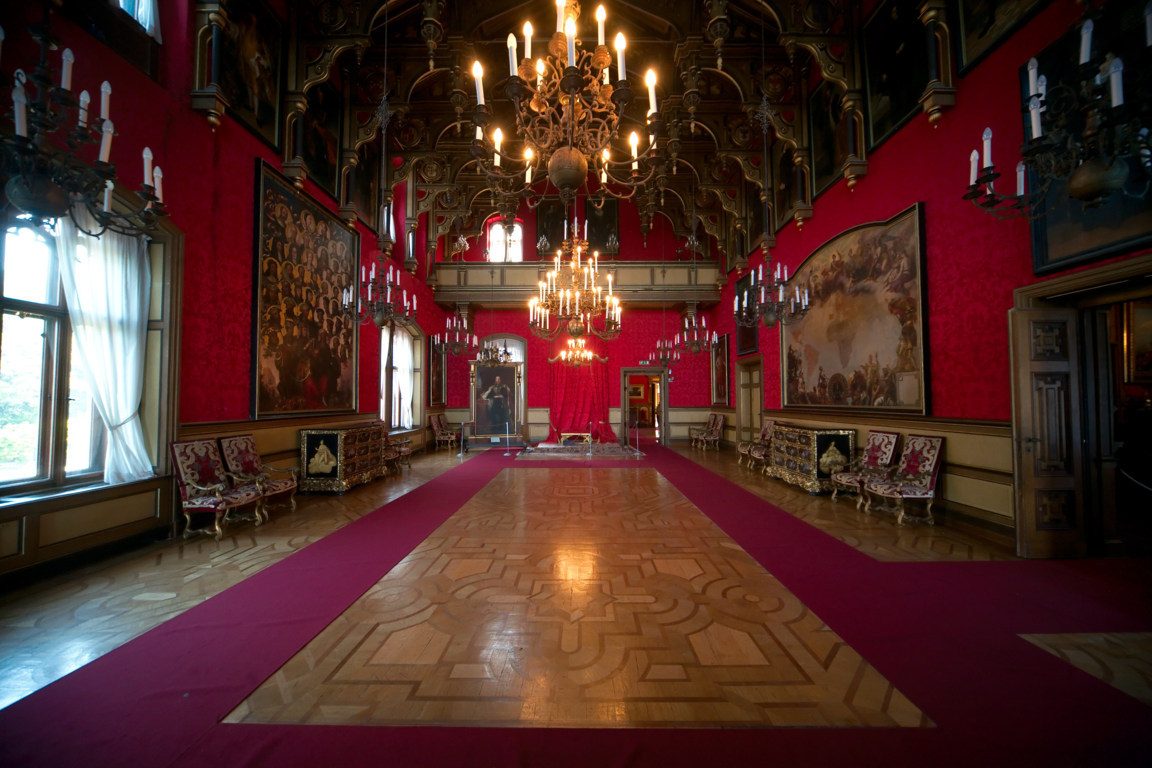
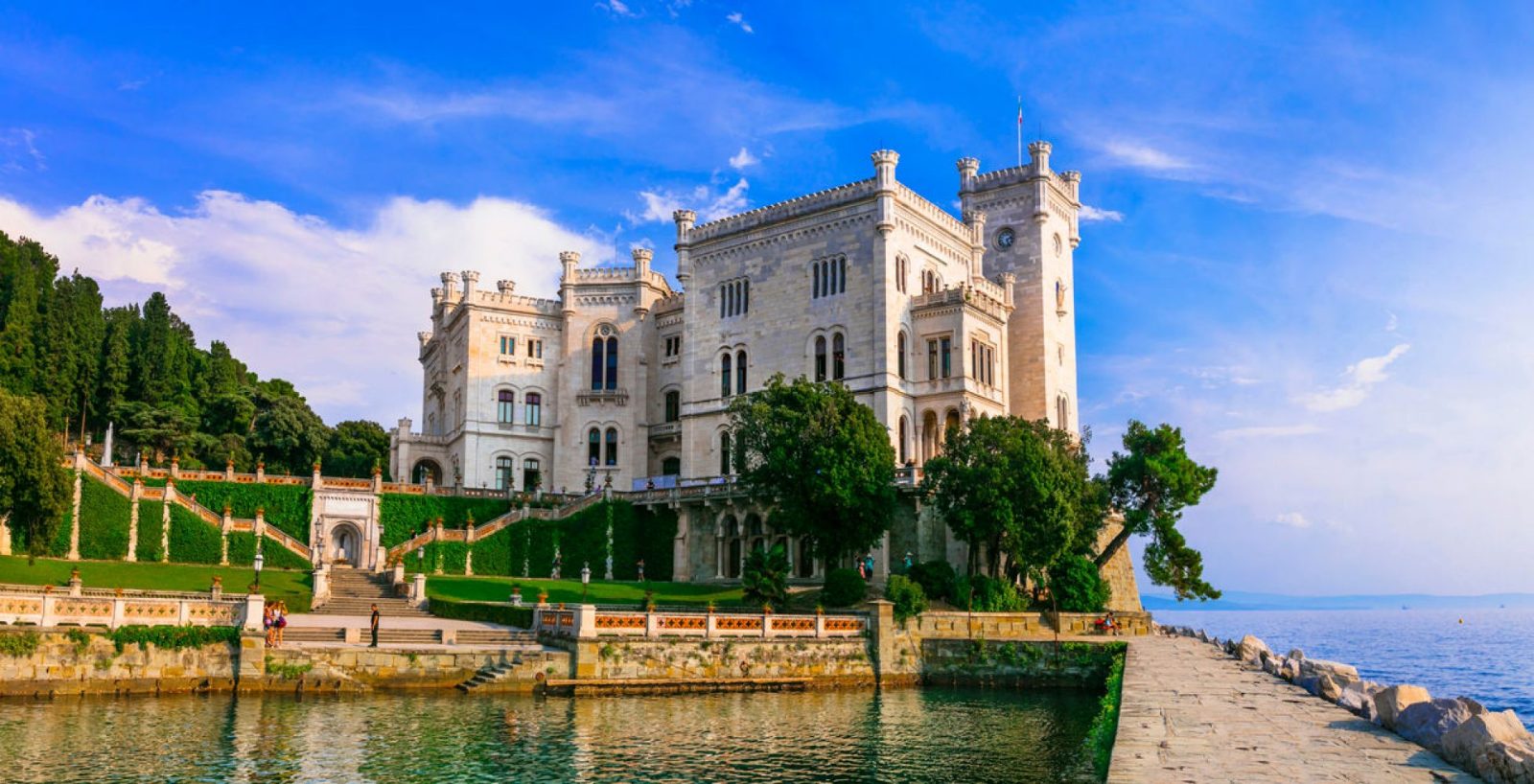
Understanding the practical realities of visiting Trieste helps set proper expectations for an upcoming trip. Because the destination is not built primarily around mass tourism, navigating its offerings requires a more independent mindset. Accommodations and local businesses cater largely to residents, which keeps the experience authentic but means visitors will not find endless rows of souvenir stalls. Instead, they can engage in the local lifestyle by visiting sites like the pristine coastal estate located at Viale Miramare, 34151 Trieste, Italy. A morning trip to this iconic landmark, which maintains standard opening hours from 09:00 to 19:00 every day of the week with an entrance fee of 17 EUR, exemplifies the type of refined, quiet exploration available here. Arriving during the best arrival window between 09:00 and 11:00 allows travelers to avoid what few crowds exist and enjoy the morning light on the Adriatic bay before returning to the city center for a midday meal. This balance of accessible heritage and high-quality living defines the daily routine.
Ultimately, deciding to make the journey eastward requires recognizing what kind of traveler you are. Those seeking the chaotic charm of southern Italy or the dense Renaissance masterpieces of Florence might find the city overly orderly or quiet. However, for culinary enthusiasts, architecture buffs, and repeat visitors to Italy looking for a fresh perspective, exploring this corner of the Adriatic coast is deeply satisfying. The lack of overwhelming crowds in the summer season of 2026 allows for a type of relaxed, spontaneous travel that has become increasingly rare in major European hubs. Whether you are coming primarily for a targeted regional food tour, to trace the remnants of the Habsburg empire, or simply to drink espresso in grand nineteenth-century coffeehouses, the capital of Friuli-Venezia Giulia delivers a mature, sophisticated experience. When weighing the travel logistics and the unique rewards of this border city, the answer to whether is trieste worth visiting is a definitive yes, as the destination easily justifies the time spent reaching it.